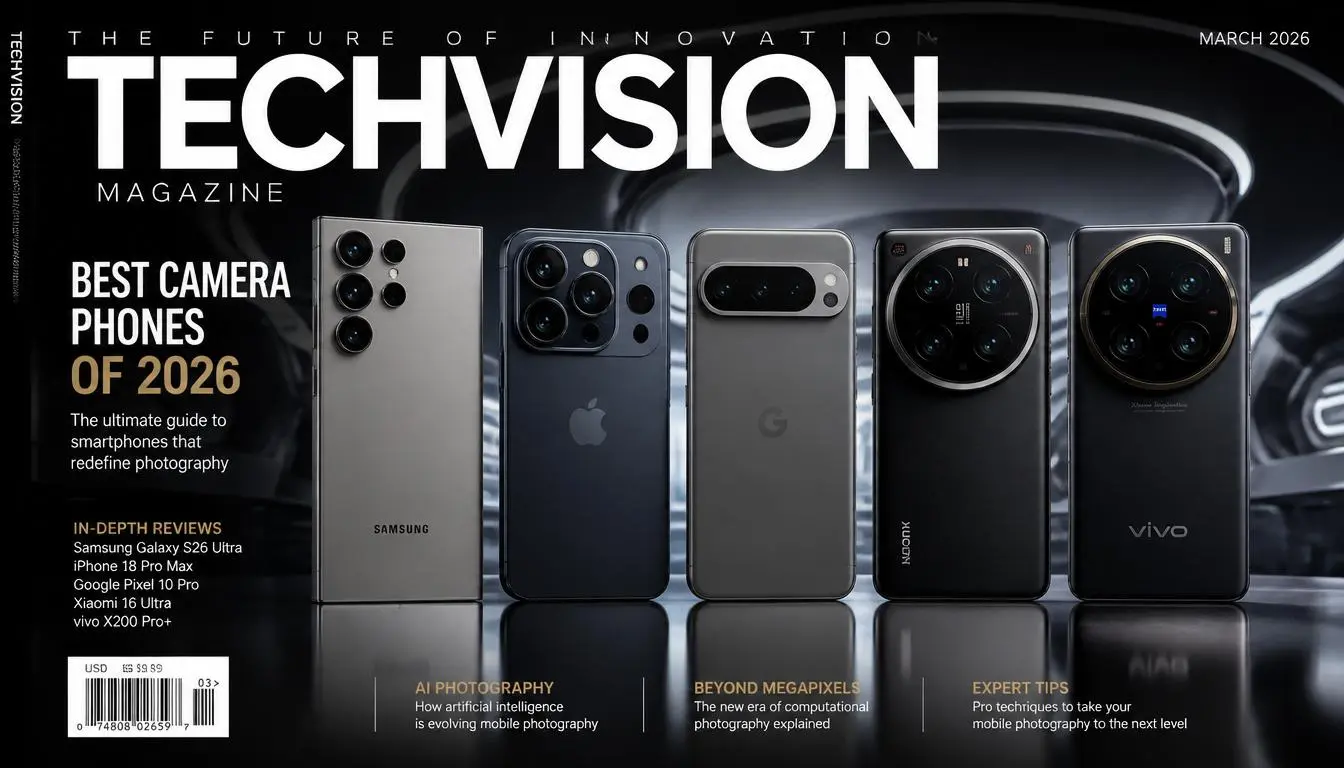
Best Mobile Phones for Photography in 2026: Top Camera Phones Compared for Stunning Photos & Videos

Smartphone photography has reached an entirely new level in 2026. What was once considered a convenient alternative to traditional cameras has now become the primary photography tool for millions of users worldwide. From professional content creators and travel photographers to social media enthusiasts and everyday users, modern flagship smartphones are capable of producing breathtaking images and cinematic-quality videos directly from your pocket.
The latest generation of camera phones focuses not only on megapixels but also on larger sensors, advanced computational photography, artificial intelligence, improved image processing, and professional-grade video capabilities. Brands such as Apple, Samsung, Google, Xiaomi, Vivo, Oppo, and Honor continue to push innovation with advanced camera systems that rival dedicated cameras in many real-world situations.
Choosing the best camera phone in 2026 can be challenging because every flagship device offers unique strengths. Some phones excel in portrait photography, while others dominate low-light imaging, zoom photography, video recording, or AI-powered editing tools. Factors such as sensor size, lens quality, optical zoom, stabilization, image processing, and software optimization play a major role in determining overall camera performance.
In this detailed guide, we compare the best mobile phones for photography in 2026, highlighting their camera features, strengths, weaknesses, and ideal use cases. Whether you want the best smartphone for professional photography, content creation, travel photography, night photography, social media, or videography, this comparison will help you make an informed decision.
We also explore key camera technologies shaping the industry in 2026 and explain what truly matters when selecting a camera phone. By the end of this article, you'll have a clear understanding of which smartphone camera best fits your photography style and budget.
Introduction: Why Camera Phones Matter More Than Ever in 2026
The smartphone camera industry has evolved dramatically over the last few years. Manufacturers are no longer competing solely on megapixel counts. Instead, they focus on larger sensors, better optics, computational photography, AI-powered image processing, advanced stabilization systems, and professional video tools.
Today's flagship smartphones can handle:
- Professional portrait photography
- Low-light photography
- Wildlife and zoom photography
- Cinematic video recording
- Social media content creation
- Travel photography
- Action photography
For many users, carrying a dedicated DSLR or mirrorless camera is no longer necessary.
What Makes a Great Camera Phone in 2026?
Before comparing the top devices, it's important to understand the factors that determine camera quality.
Sensor Size
A larger sensor captures more light, resulting in:
- Better low-light performance
- Improved dynamic range
- Natural background blur
- More image detail
Optical Zoom
Optical zoom provides true image magnification without quality loss.
Benefits include:
- Better wildlife photography
- Sharper distant subjects
- Improved portrait compression
Image Processing
Modern smartphones rely heavily on software.
Advanced processing improves:
- HDR performance
- Skin tones
- Exposure balance
- Night photography
Video Capabilities
Professional video features now include:
- 4K and 8K recording
- Log video formats
- Advanced stabilization
- HDR video recording
1. Apple iPhone 17 Pro Max
Why It Stands Out
The iPhone 17 Pro Max remains one of the most reliable camera phones in 2026, especially for video creators and users who prefer natural image processing. Multiple camera rankings place it among the best smartphone cameras currently available.
Camera Highlights
- Triple 48MP camera system
- Advanced Photonic Engine processing
- Apple Log video recording
- Enhanced HDR performance
- Improved low-light photography
Best For
- Professional videographers
- Content creators
- Social media influencers
- Everyday photography
Strengths
- Exceptional video quality
- Consistent color accuracy
- Reliable autofocus
- Excellent stabilization
Limitations
- Less zoom reach compared to Samsung
- Premium pricing
2. Samsung Galaxy S26 Ultra
Why It Stands Out
The Samsung Galaxy S26 Ultra is widely regarded as one of the most versatile camera phones of 2026. Its zoom capabilities remain among the best available in any smartphone.
Camera Highlights
- 200MP primary sensor
- 50MP periscope telephoto lens
- Multiple zoom levels
- Advanced AI photography tools
- Improved night photography
Best For
- Zoom photography
- Wildlife photography
- Landscape photography
- Travel creators
Strengths
- Outstanding optical zoom
- Highly versatile camera setup
- Strong detail retention
- Excellent daylight photography
Limitations
- Aggressive image processing in some scenes
- Larger device size
3. Google Pixel 10 Pro XL
Why It Stands Out
Google continues to dominate computational photography. The Pixel 10 Pro XL delivers excellent results using AI-powered image processing and advanced software optimization.
Camera Highlights
- Advanced Night Sight
- AI image enhancement
- Improved portrait photography
- Smart editing tools
Best For
- Casual photographers
- Portrait photography
- Social media users
- AI-assisted editing
Strengths
- Excellent dynamic range
- Natural skin tones
- Strong low-light photography
- User-friendly camera experience
Limitations
- Slower processing in some situations
- Zoom performance behind Samsung
4. Xiaomi 17 Ultra
Why It Stands Out
Xiaomi's partnership with Leica continues to impress photography enthusiasts. The Xiaomi 17 Ultra focuses heavily on professional image quality and creative control.
Camera Highlights
- Large 1-inch main sensor
- Leica color science
- Professional manual controls
- Advanced telephoto system
Best For
- Mobile photography enthusiasts
- Professional creators
- Street photography
- Creative photography
Strengths
- Excellent image depth
- Natural color reproduction
- Strong low-light performance
- Professional shooting modes
Limitations
- Availability varies by region
- Software preferences differ among users
5. Vivo X300 Ultra
Why It Stands Out
Vivo has quietly become one of the strongest smartphone camera brands. The X300 Ultra is especially impressive for sports and telephoto photography.
Camera Highlights
- 200MP primary camera
- Long-range periscope zoom
- ZEISS optics
- AI motion tracking
Best For
- Sports photography
- Wildlife photography
- Portrait photography
- Zoom enthusiasts
Strengths
- Excellent motion capture
- Sharp zoom images
- Strong portrait mode
- Premium optics
Limitations
- Limited availability in some markets
6. Oppo Find X9 Ultra
Why It Stands Out
The Oppo Find X9 Ultra combines premium hardware with Hasselblad color tuning, delivering some of the most balanced photos among flagship devices.
Camera Highlights
- Large image sensors
- Hasselblad color science
- Advanced portrait engine
- High-end video features
Best For
- Portrait photography
- Lifestyle content creators
- Professional mobile photographers
Strengths
- Natural colors
- Excellent HDR
- Premium portrait rendering
Limitations
- Availability varies globally
7. Honor Magic8 Pro
Why It Stands Out
Honor's flagship camera system continues to improve and now competes directly with Samsung and Apple. Its 200MP telephoto camera is particularly impressive.
Camera Highlights
- 200MP telephoto lens
- Advanced night mode
- AI-enhanced photography
- Multiple focal lengths
Best For
- Zoom photography
- Night photography
- Travel photography
Strengths
- Excellent zoom detail
- Strong battery life
- Good value for flagship buyers
Limitations
- Camera software still trails Apple in consistency
Best Camera Phone by Category
Best Overall Camera Phone
Apple iPhone 17 Pro Max
Why:
- Consistent performance
- Outstanding video quality
- Excellent color science
Best Zoom Camera Phone
Samsung Galaxy S26 Ultra
Why:
- Industry-leading zoom system
- Exceptional telephoto performance
Best for Professional Photography
Xiaomi 17 Ultra
Why:
- Large sensor
- Leica optics
- Advanced manual controls
Best AI Photography
Google Pixel 10 Pro XL
Why:
- Smart computational photography
- Excellent image enhancement
Best for Sports Photography
Vivo X300 Ultra
Why:
- Fast motion tracking
- High-speed capture performance
Camera Comparison Table
| Phone | Main Strength | Best For |
|---|---|---|
| iPhone 17 Pro Max | Video Recording | Content Creators |
| Galaxy S26 Ultra | Zoom Photography | Travel & Wildlife |
| Pixel 10 Pro XL | AI Photography | Casual Photography |
| Xiaomi 17 Ultra | Professional Controls | Photography Enthusiasts |
| Vivo X300 Ultra | Motion Capture | Sports Photography |
How to Choose the Right Camera Phone
Consider these factors before buying:
If You Shoot Videos
Choose:
- iPhone 17 Pro Max
- Samsung Galaxy S26 Ultra
If You Love Zoom Photography
Choose:
- Samsung Galaxy S26 Ultra
- Vivo X300 Ultra
If You Prefer Natural Photos
Choose:
- iPhone 17 Pro Max
- Xiaomi 17 Ultra
If You Want AI Features
Choose:
- Google Pixel 10 Pro XL
Future Trends in Smartphone Photography
Several innovations are shaping the future:
- Larger camera sensors
- AI-powered image generation
- Advanced computational zoom
- Improved low-light photography
- Professional video workflows
- Real-time image enhancement
These technologies will continue narrowing the gap between smartphones and dedicated cameras.
Conclusion
The best camera phone in 2026 depends on your photography style. The iPhone 17 Pro Max remains the most balanced choice for overall photography and video creation. The Samsung Galaxy S26 Ultra dominates zoom photography, while the Xiaomi 17 Ultra appeals to photography enthusiasts who want professional-level control.
Google's Pixel 10 Pro XL continues to lead in AI-powered photography, Vivo excels in motion and telephoto photography, and Oppo offers some of the most natural image processing available today.
Regardless of which flagship you choose, smartphone photography has reached a stage where every top-tier device can capture stunning professional-quality images. The key is selecting the phone that matches your creative needs, shooting habits, and budget.